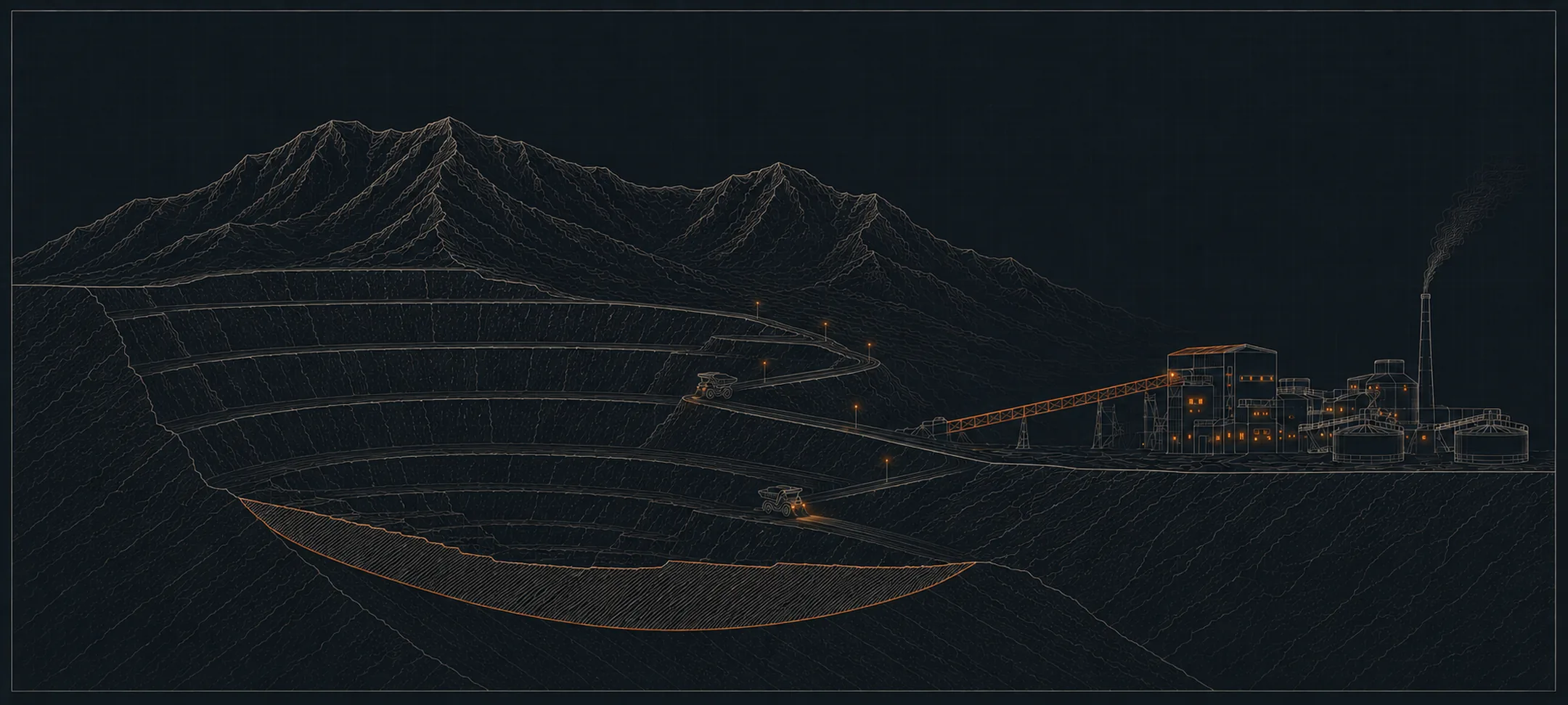
CAPEX and OPEX models, feasibility studies, integrated master schedules and equipment procurement — for owners and study teams of mining & metals projects. I work across every project stage, from the first estimate to the operating plant.
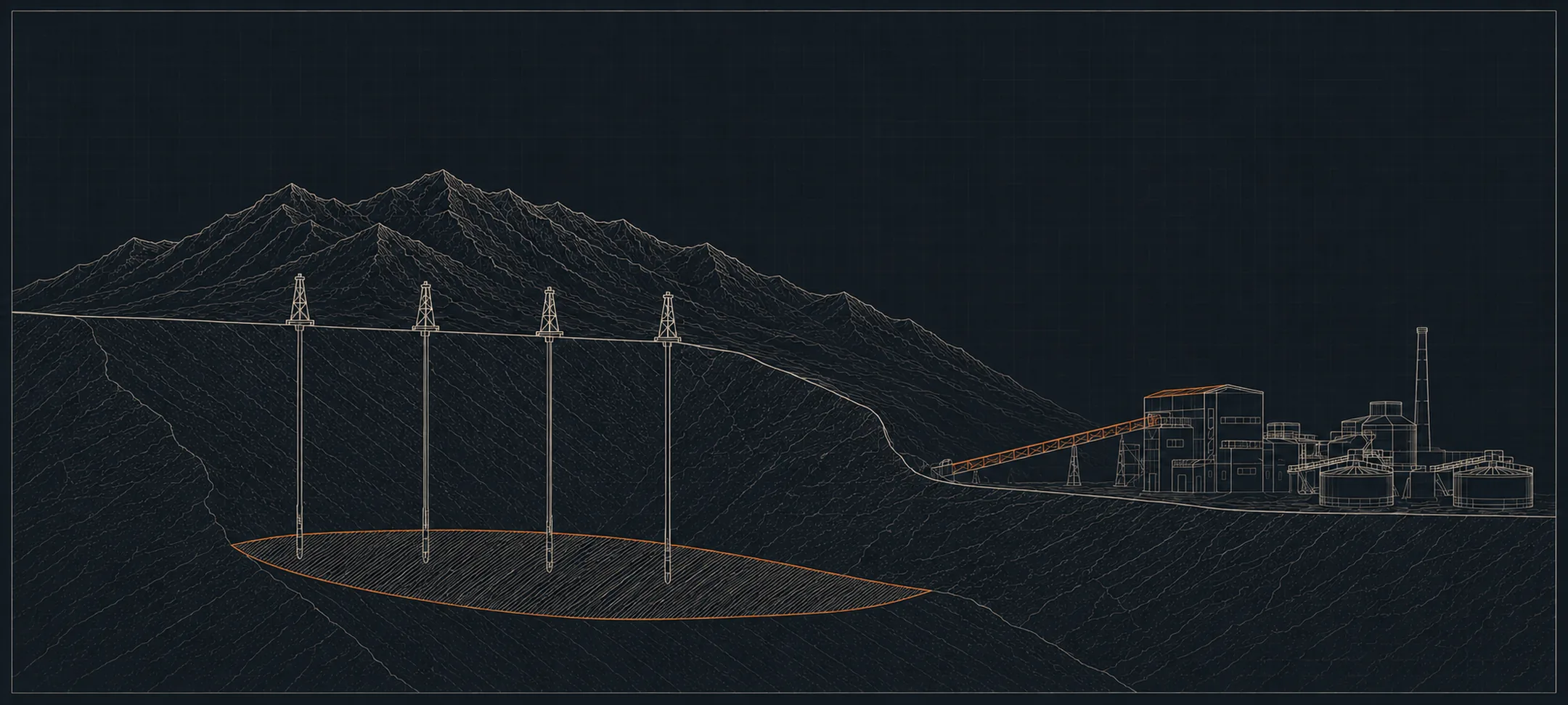
STAGE 0 · PRE-FEASIBILITY
Capital and operating cost estimates for new plants and expansions, from an order-of-magnitude estimate to a full-flowsheet model. When the flowsheet changes, the model is rebuilt, not patched.
Flowsheet comparisons, the economic model behind the study, cost input for the study team. The early stage is the only place where cost can still be engineered out.
Level-3 integrated master schedules with full EPC logic, built in whatever planning environment the client runs. Such schedules have been adopted as project baselines.
Baseline control, coordination of EPC and construction contractors, schedule and budget risk assessment — plus the questions that live between the lines of the contract, from currency formulas to battery limits.
Procurement from questionnaire to contract: technical specifications, shortlists of European, US, Chinese and CIS manufacturers, bid evaluation, negotiations.
My practice runs on multi-agent LLM pipelines and my own modelling software: they speed up estimate revisions, supplier screening and paperwork.
Flagship engagement. Since 2023: cost engineering consultant to a major copper mining and processing project: supplier selection for the main process equipment, procurement cost analytics, and the integrated master schedule the client adopted as its baseline.
Metals portfolio. A pilot beryllium metal plant: equipment across the full flowsheet plus the CAPEX/OPEX model. A lead smelter, a tin plant and a hot-dip galvanizing facility in Kazakhstan: CAPEX estimates and supplier selection.
Trade-off studies. Side engagements included a freeze-prevention study for an Arctic mining railway: three ways to keep bulk cargo from freezing solid in transit, from stockpile pre-freezing with re-handling to anti-caking reagents to car insulation, costed as CAPEX plus a winter of OPEX; the cheapest robust option was adopted.
Rates, quantities and quotes enter the model as traceable inputs. If I can't show where a figure came from, it doesn't go in. An estimate built on buried assumptions isn't an estimate, it's an opinion with decimals.
Live Excel formulas and P6-compatible schedule logic, not a PDF of conclusions. Your bank, your board or your EPC should be able to trace any figure back to its input without me in the room.
An optimistic estimate doesn't save money. It delays the correction to a stage where it costs more. I'd rather flag a gap at the study stage than watch it surface in execution.
A couple of lines about the task is enough. I reply within a business day; the first call is free. We review the task together, then I propose a scope of work and a fixed price.